
Unlock continuous aerial intelligence with tethered drones
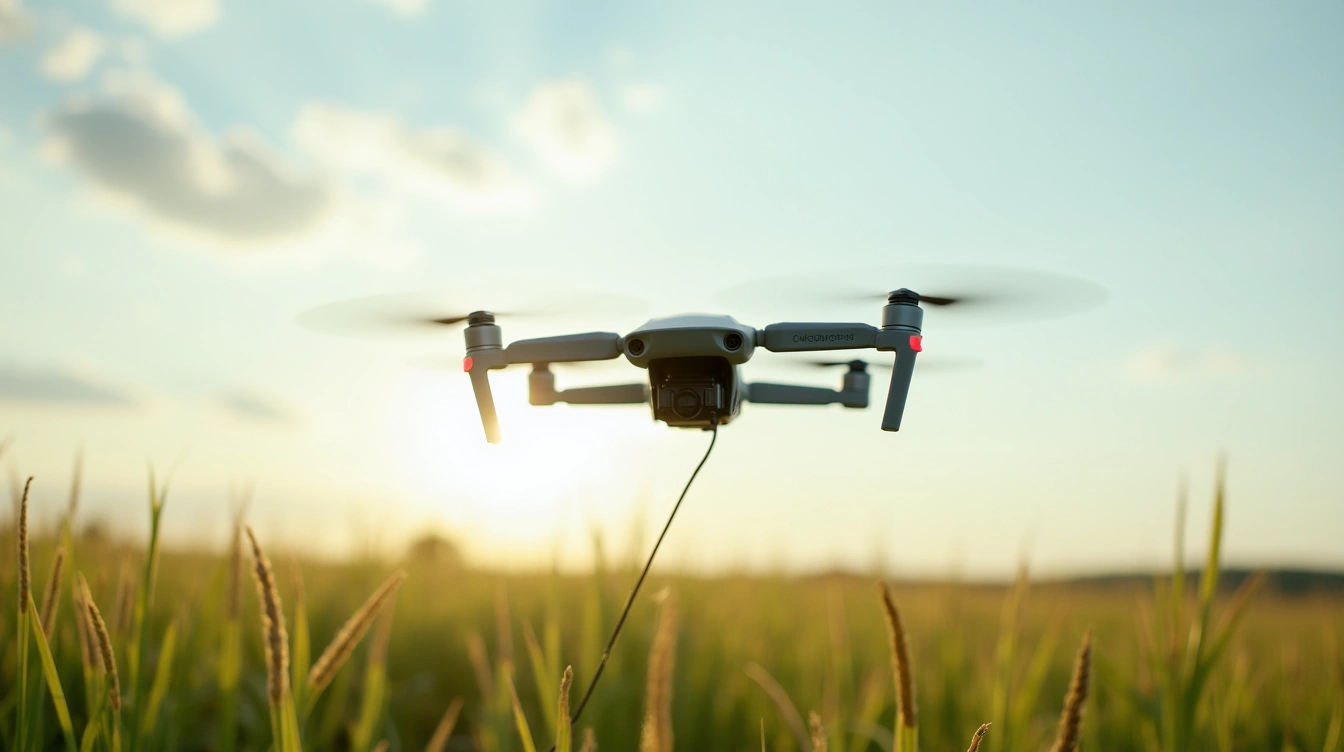
The Power of Tethered Drone Technology for Extended Operations
While traditional battery-powered drones are limited to 30-45 minutes of flight time, tethered drone systems revolutionize aerial operations by providing unlimited power and continuous surveillance capabilities. According to recent market analysis from Drone Industry Insights, the tethered drone market is projected to reach $1.8 billion by 2025, driven by increasing demand for persistent monitoring solutions. How can your operations benefit from exploring innovative solutions with tethered drone technology that eliminate the constraints of battery limitations while maintaining reliable aerial intelligence?
Understanding Unmanned Aerial Vehicles for Continuous Monitoring
Unmanned Aerial Vehicles designed for continuous monitoring represent a significant evolution from traditional battery-powered drones. These advanced systems can maintain persistent surveillance operations for hours or even days, addressing the critical limitation of flight time that has long constrained aerial intelligence gathering.
A lire en complément : How do you configure a high-performance RAID 5 array on a QNAP TS-453Bmini for data protection?
The fundamental difference lies in their power supply architecture. While conventional drones rely on onboard batteries with limited capacity, continuous monitoring UAVs often utilize tethered technology that provides unlimited power through ground-based connections. This innovation transforms intermittent surveillance into round-the-clock operations, enabling comprehensive data collection and real-time analysis.
These systems integrate sophisticated computing capabilities directly into their operational framework. Advanced processors handle multiple data streams simultaneously, from high-resolution imaging to environmental sensors, creating a comprehensive intelligence platform. The combination of persistent flight capability and onboard computational power enables automated threat detection, pattern recognition, and immediate alert systems.
A voir aussi : What are the optimal settings for configuring a 144Hz monitor for gaming on an ASUS ROG Strix G17?
Modern continuous monitoring UAVs also incorporate adaptive positioning systems that can automatically adjust altitude and orientation based on environmental conditions and surveillance requirements, ensuring optimal data quality throughout extended missions.
How These Systems Enable 24/7 Aerial Intelligence
The foundation of continuous aerial intelligence lies in the tethered power system that eliminates the traditional battery limitations of conventional drones. Through a robust ground-based power cable, these systems deliver uninterrupted electricity directly to the aircraft, enabling unlimited flight duration without the need for landing cycles or battery swaps.
Real-time data transmission becomes seamless through high-bandwidth fiber optic connections integrated within the tether itself. This direct physical link ensures zero latency communication between the aerial platform and ground control stations, allowing operators to receive HD video feeds, sensor data, and telemetry information instantaneously without relying on potentially unstable wireless networks.
The continuous surveillance capability stems from precise altitude maintenance and automated positioning systems. Advanced gyroscopic stabilization keeps the aircraft steady at predetermined heights, while GPS-guided station-keeping algorithms ensure consistent coverage of target areas. Weather compensation mechanisms automatically adjust for wind conditions, maintaining optimal surveillance angles regardless of environmental factors.
Ground-based computing systems process incoming data streams in real-time, applying artificial intelligence algorithms for automated threat detection, pattern recognition, and anomaly identification. This integration transforms raw aerial footage into actionable intelligence, delivering comprehensive situational awareness that operates around the clock without human intervention gaps.
Key Benefits for Industrial and Security Applications
Tethered drone technology delivers transformative advantages for industries requiring continuous aerial monitoring. Unlike battery-powered systems that limit operational windows, these solutions provide uninterrupted surveillance capabilities that fundamentally change how organizations approach security and data collection.
The most significant benefit lies in operational cost reduction. Organizations eliminate frequent battery replacements, reduce maintenance downtime, and maximize personnel efficiency through extended flight operations. This translates into measurable savings across labor, equipment, and operational overhead.
- 24/7 surveillance capability without flight interruptions or battery swaps
- Real-time data streaming for immediate decision-making and incident response
- Enhanced security coverage for critical infrastructure and perimeter monitoring
- Reduced operational costs through eliminated battery cycles and maintenance windows
- Weather resilience for consistent performance in challenging environmental conditions
Industries experiencing the greatest impact include critical infrastructure protection, border security, and industrial facility monitoring. The continuous power supply enables real-time intelligence that supports rapid response protocols and comprehensive situational awareness across extended operational periods.
Industries Leading the Adoption of Persistent Aerial Solutions
The security sector stands at the forefront of persistent aerial technology adoption, with critical infrastructure facilities, airports, and government installations deploying tethered drone systems for round-the-clock perimeter monitoring. These systems provide uninterrupted surveillance capabilities that traditional security methods simply cannot match, offering real-time threat detection and response coordination.
Energy companies have rapidly embraced continuous aerial monitoring for their vast pipeline networks and offshore facilities. Oil and gas operators utilize these systems to detect leaks, monitor equipment status, and ensure compliance with environmental regulations across remote locations where human inspection would be costly and dangerous.
The construction industry leverages persistent aerial solutions for progress tracking and safety oversight on large-scale projects. These systems provide project managers with continuous site visibility, enabling them to identify potential safety hazards, monitor worker compliance, and document construction phases without deploying personnel to hazardous areas.
Agricultural operations benefit significantly from continuous crop monitoring capabilities, particularly for precision farming applications. Modern farming enterprises use these systems to track crop health, optimize irrigation patterns, and detect pest infestations across vast agricultural areas, maximizing yield while minimizing resource consumption.
Technical Specifications and Performance Capabilities
Modern tethered drone systems deliver exceptional technical performance through their continuous power connection. Unlike battery-powered alternatives limited to 20-30 minute flights, these systems achieve unlimited flight duration while maintaining consistent operational capabilities throughout extended missions.
The flight range typically extends up to 120 meters in radius from the ground station, providing comprehensive coverage for most surveillance and monitoring applications. Advanced sensor packages include high-resolution cameras with 30x optical zoom, thermal imaging capabilities, and real-time video transmission at 1080p resolution with minimal latency.
Weather resistance represents a critical performance factor. Professional-grade tethered drones operate effectively in wind speeds up to 45 km/h and maintain functionality during light precipitation. The robust cable management system ensures reliable power transmission even under challenging atmospheric conditions.
Data transmission capabilities support multiple simultaneous feeds, enabling operators to capture both visible and infrared imagery while maintaining constant communication links. The integrated computing systems process aerial intelligence in real-time, delivering actionable insights directly to ground-based control centers without interruption.
Implementing Advanced UAV Solutions in Your Operations
Successfully integrating advanced UAV technology into your operational framework requires a systematic approach that begins with comprehensive needs assessment. Your organization must evaluate current monitoring requirements, identify operational gaps, and determine the specific capabilities needed from aerial intelligence systems.
The deployment planning phase involves careful consideration of infrastructure requirements, particularly for tethered drone systems that demand reliable power sources and strategic positioning. Technical teams must assess site conditions, establish communication protocols, and design integration pathways that complement existing operational workflows while maximizing the continuous monitoring advantages.
Personnel training represents a critical success factor that extends beyond basic piloting skills. Your staff requires expertise in system maintenance, data interpretation, and emergency protocols specific to tethered UAV technology. This comprehensive training ensures optimal performance and minimizes operational disruptions during the implementation phase.
Ongoing maintenance protocols must address both hardware components and software systems, establishing regular inspection schedules and preventive care procedures. Organizations leveraging specialized technical expertise in UAV computing applications typically achieve faster implementation timelines and more robust operational outcomes.
Questions fréquentes sur la surveillance aérienne continue
How long can tethered drones stay in the air compared to battery-powered ones?
Tethered drones operate continuously for days or weeks without landing, while battery-powered drones typically fly 20-40 minutes before requiring recharging, making tethered systems ideal for persistent surveillance missions.
What are the main advantages of using tethered drones for surveillance?
Continuous operation, unlimited flight time, real-time data transmission, and enhanced security make tethered drones superior for long-term monitoring compared to traditional battery-powered alternatives in critical surveillance applications.
How do tethered drones maintain continuous power supply during operations?
A robust ground-based power tether cable delivers constant electricity and high-speed data connectivity, eliminating battery limitations while enabling uninterrupted aerial intelligence gathering for extended surveillance operations.
What industries benefit most from continuous aerial intelligence systems?
Security and defense, critical infrastructure protection, border surveillance, event monitoring, and emergency response operations leverage continuous aerial intelligence for enhanced situational awareness and operational efficiency.
What is the maximum flight range for tethered drone technology?
Modern tethered drone systems typically operate within a 100-150 meter radius from the ground station, providing comprehensive coverage for most surveillance applications while maintaining reliable power and data transmission capabilities.